The land around Glasgow
Glasgow sits where two kinds of country meet. The Kentucky Geological Survey maps a sinkhole plain across central and northeast Barren County, with sinking creeks, springs and caves and hardly any surface streams, and puts its southern edge at about Beaver Creek. Past that line the plateau is cut by ordinary valleys, many of them a hundred feet deep. One Glasgow farm can have sinkholes in the hayfield and a steep wooded draw behind the barn.
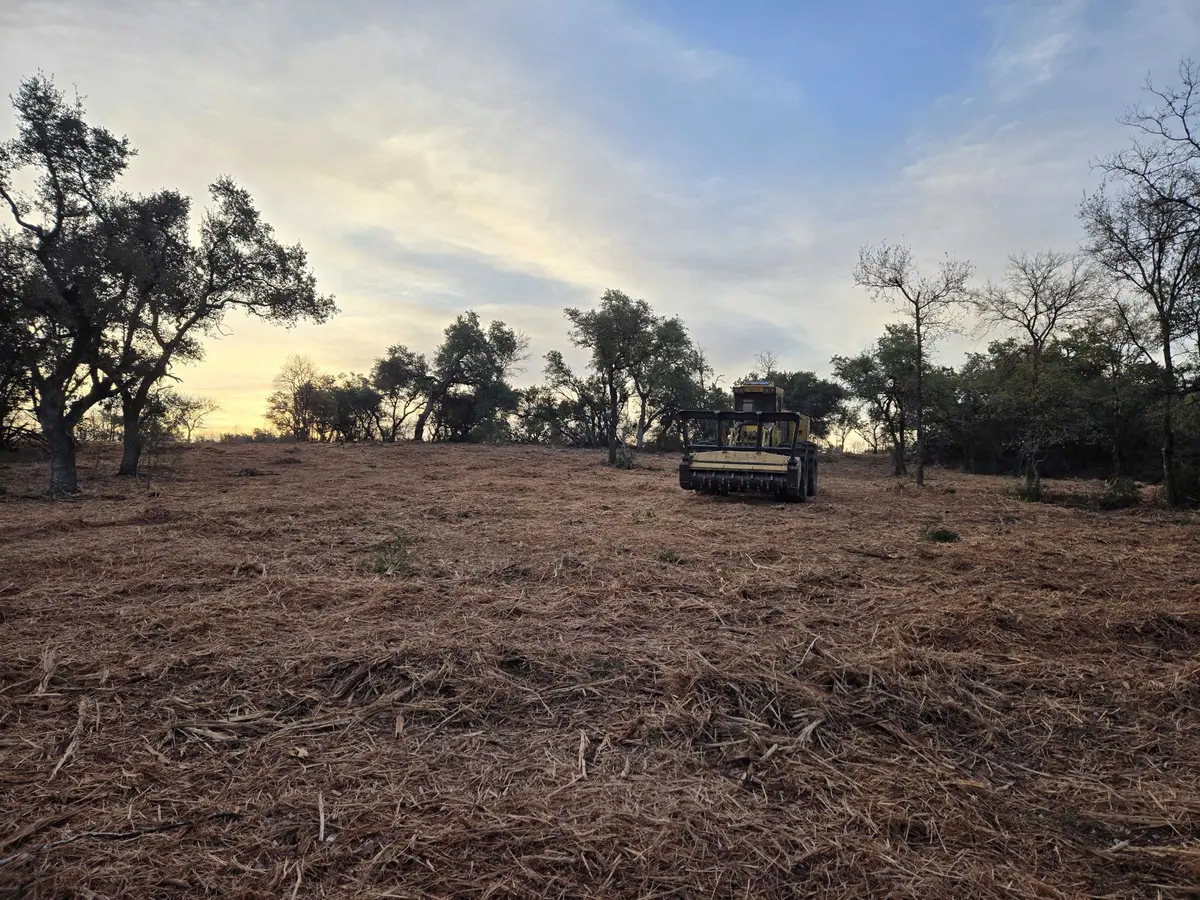
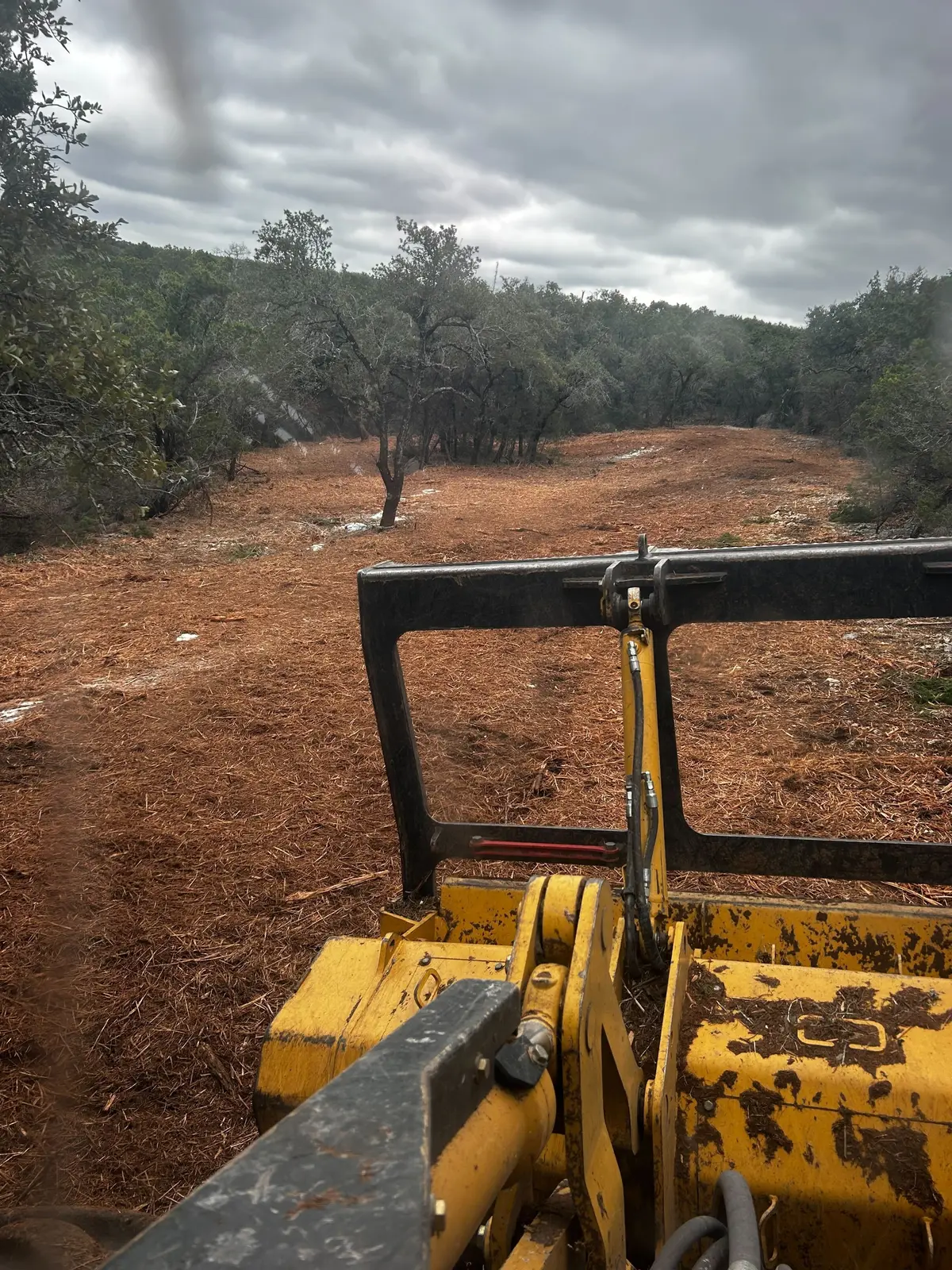
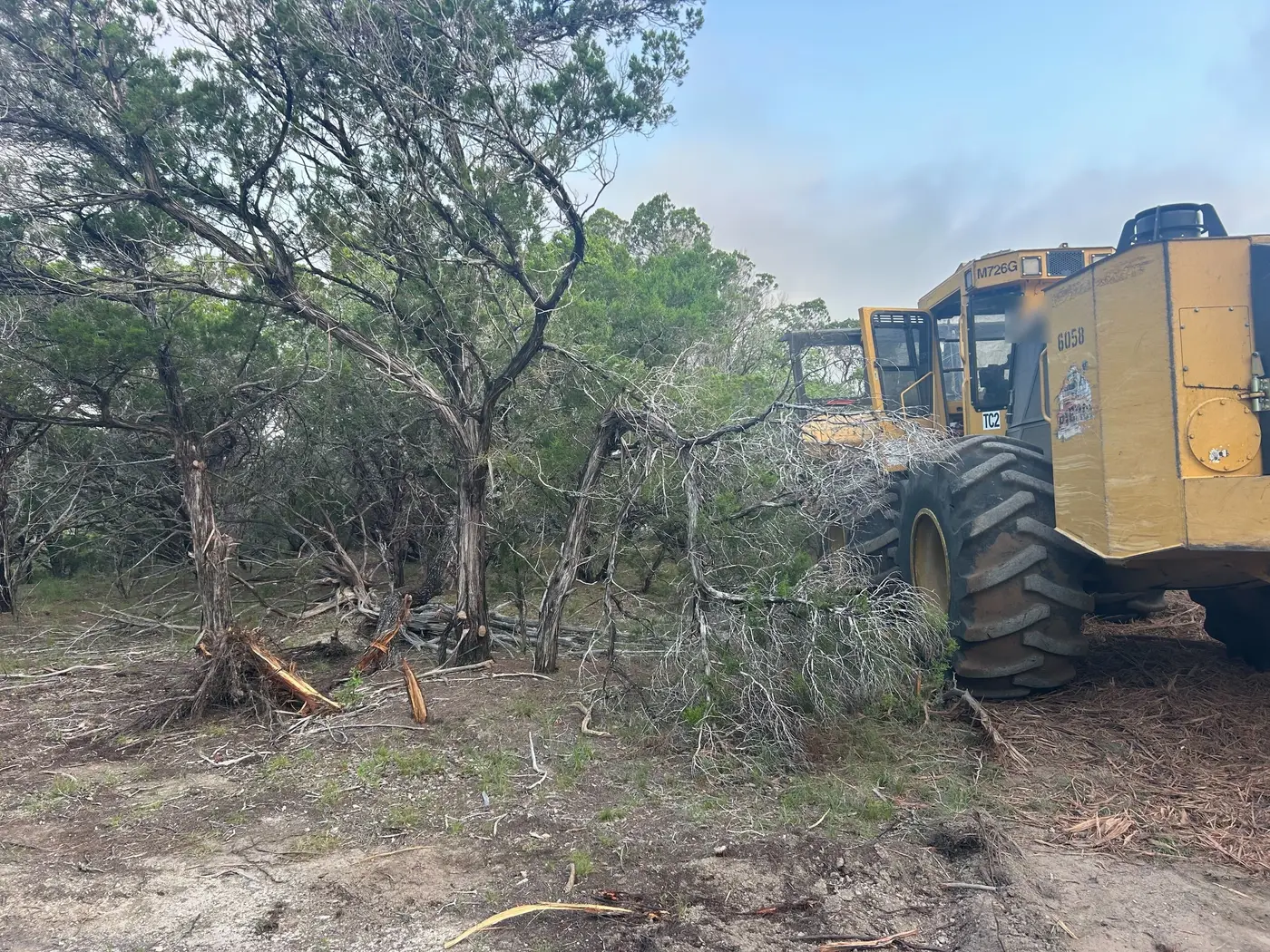
The county is named for the Barrens, open meadowland that once covered its northern third. Grass country on limestone like this goes to eastern red cedar the moment mowing and grazing slack off; statewide, cedar is most abundant on limestone soils and is one of the first trees into worn fields. In the northwest end of the county, the escarpment rises about 200 feet above the plain in steep, wooded slopes.
Barren is a grass and cattle county. The 2022 Census of Agriculture counted 1,621 farms, about 80,000 cattle and calves, and nearly 60,000 acres of hay, more than any other crop, along with dairy and broiler sales. Most calls are about keeping hay ground and pasture open.